

What direct impacts are businesses and consumers in Vietnam experiencing from the US-Iran conflict?
1. Overview of the US-Israel-Iran conflict situation
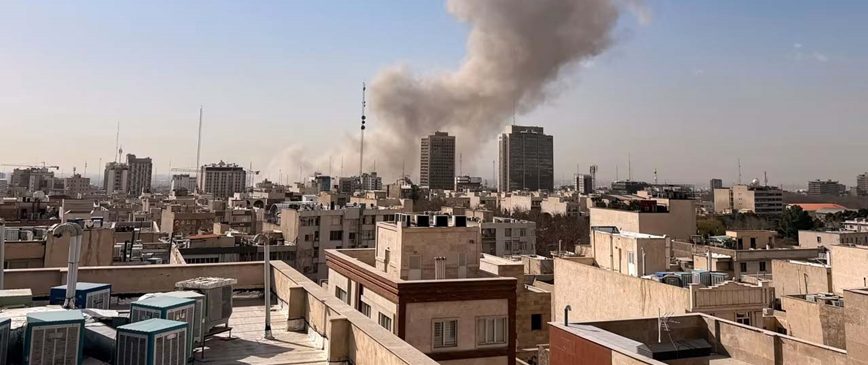
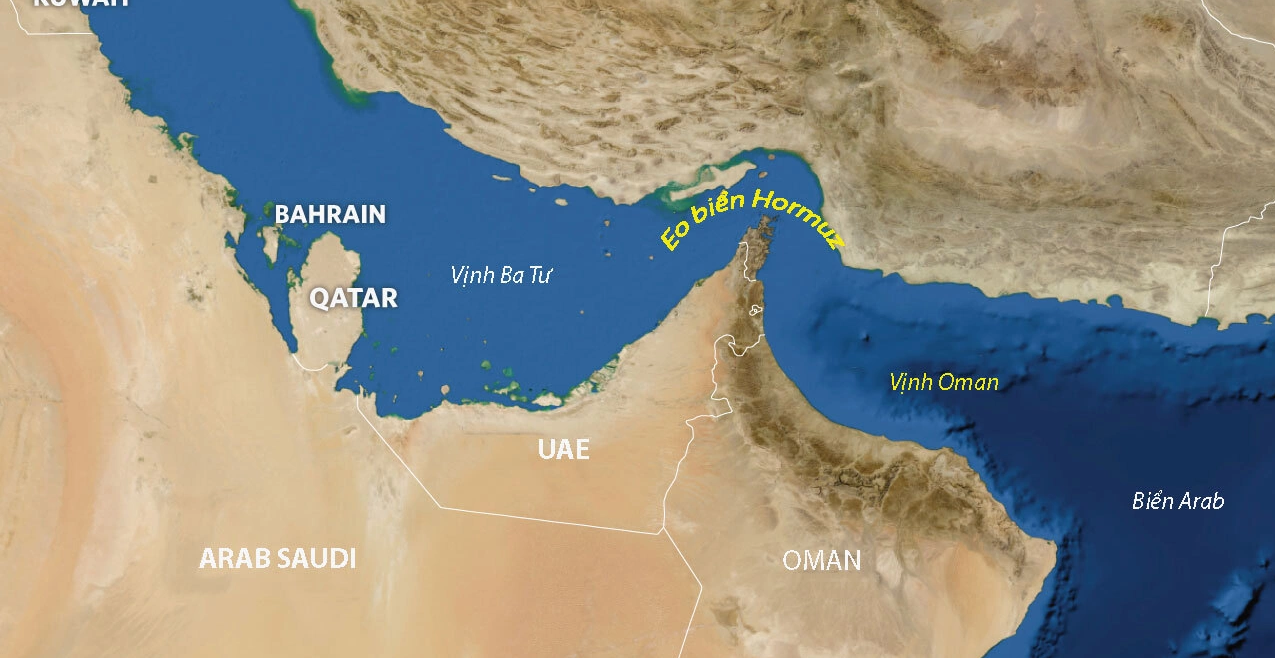
The outbreak of direct conflict between major powers in the Middle East from the end of February 2026 has plunged the world into a new energy and geopolitical crisis. The biggest flashpoint is the Strait of Hormuz – a vital artery for transporting 20-30% of the world’s oil. Any blockade in this area would cause an immediate supply disruption.
Vietnam, as an extremely open economy (total import and export turnover doubles GDP), is suffering strong ripple effects from the disruption of international energy, financial, and logistics markets.
2. Direct impact on Vietnam’s macroeconomic economy.
The escalating tensions are directly impacting three key macroeconomic variables in Vietnam:
Crude oil price shock and inflationary pressure (CPI): Domestic gasoline and diesel prices are fluctuating in tandem with Brent/WTI oil prices. Crude oil has surpassed risk resistance levels, pushing cost-push inflation to alarming levels, eroding the government’s CPI control targets.
Exchange rate and capital market volatility: Global investment capital is tending to flee emerging markets to seek refuge in safe assets (USD, Gold). The USD/VND exchange rate is under strong pressure, putting pressure on the State Bank of Vietnam to balance interest rates and exchange rates. The VN-Index is facing large-amplitude fluctuations.
Disruption of the logistics supply chain: Global shipping freight rates have surged as shipping companies have to divert to avoid risky areas, extending voyage times and causing localized shortages of empty containers.
3. Key business sectors are facing numerous challenges.
Geopolitical crises do not distribute risks evenly. Below is the extent of damage to core industries in Vietnam:
| Industry Sector | Impact Level | Direct Cause | Risk Manifestations |
| Transportation & Logistics | Particularly Severe | Fuel costs, accounting for 30-40% of cost of goods sold. | Profit margins thin; sea freight rates to Europe/America skyrocket; delivery delays. |
| Import & Export | Severe | Disruptions to shipping routes; exchange rate risks. | Delays in international payments; decline or cancellation of orders from the Middle East market; soaring marine insurance costs. |
| Industrial Production | Medium – High | Dependence on petrochemical raw materials (plastics, fertilizers, fibers). | Increased input production costs; difficulty in transferring pricing to final retail prices due to weak purchasing power. |
4. The direct consequence is the impact on the wallets of Vietnamese consumers.
The macroeconomic shock quickly translated into micro-financial burdens for individual households:
- Retail gasoline and gas prices peaked: People had to pay higher fees for daily transportation and cooking needs. Last-mile logistics costs (technology-based delivery, motorbike taxis) increased across the board.
- The “ripple effect”: Increased transportation costs created a pretext for price increases in essential goods. Food, groceries, and basic living services faced new price levels, directly reducing disposable income and the real purchasing power of the people.
5. Risk response and mitigation strategies (Practical solutions)
To survive the period of macroeconomic uncertainty, a decisive response plan is needed:
| Target | Group of Solutions | Key Actions to Implem |
| Business | Financial Risk Management & Supply Chain | – Diversify supplier portfolio, reduce dependence on materials related to the Middle East.
– Increase strategic inventory reserves for volatile raw materials. |
| Consumers | Restructure personal budgets | – Minimize luxury and non-essential spending.
– Increase the proportion of emergency funds in cash or highly liquid assets. – Change commuting habits, prioritize public transport to optimize fuel costs. |
6. Conclusion
A prolonged US-Iran conflict will continuously test the resilience of the global economy. Vietnam’s highly open economy is inevitably vulnerable to external shocks. However, proactively utilizing exchange rate hedging tools, tightly controlling inventory, and restructuring cash flow will act as a vital buffer, helping businesses and individuals minimize losses and preserve resources to weather the crisis.